
Dead Stock and Obsolete Inventory: How to Find It, Clear It, and Prevent It
Every warehouse has a back corner of inventory nobody wants to talk about.
Items that have not sold in a year. Parts for products that were discontinued. A large buy that seemed like a good deal at the time. It sits on the balance sheet at full cost, takes up space, gets counted every year, and quietly ties up cash that could be doing something useful.
This guide explains how to identify dead stock and obsolete inventory, what it really costs, how to account for it, how to get rid of it, and how to stop creating more.
Dead Stock, Slow-Moving, and Obsolete Inventory
- Slow-moving inventory still sells, but far more slowly than you are stocking it.
- Dead stock has not sold, or been used in production, for a defined period, often 6 to 12 months, depending on the business.
- Obsolete inventory can no longer be sold at normal prices because the product is discontinued, superseded, expired, or no longer demanded.
How to Identify It
- Inventory aging: quantity and value by the date of last receipt and last sale or usage
- Months of supply: on-hand quantity divided by average monthly usage. Anything above a set threshold, such as 12 months, needs review.
- No-movement report: items with no sales, transfers, or production usage in a set period
- Discontinued and superseded items that still have stock
- Short-dated stock approaching expiration, for lotted products
Review by location too. An item can be dead in one warehouse and selling well in another.
A Worked Example
| Item | On hand | Avg monthly usage | Months of supply | Status |
|---|---|---|---|---|
| A | 600 | 200 | 3 | Healthy |
| B | 1,800 | 100 | 18 | Slow-moving: stop buying, reduce |
| C | 450 | 0 (no sales in 14 months) | No usage | Dead: dispose |
Months of supply = on hand ÷ average monthly usage. Item B has 1,800 ÷ 100 = 18 months, far more than needed. Item C has had no usage at all.
What Dead Stock Really Costs
The purchase price is already spent. The ongoing cost is carrying cost: storage space, handling, insurance, taxes, counting, shrinkage, and the cost of the cash tied up. It is commonly estimated at a significant share of inventory value every year. Dead stock also hides real performance: it inflates inventory, lowers inventory turnover, and takes space from items that sell. See inventory turnover.
Reserves and Write-Downs
Under U.S. GAAP, most inventory is carried at the lower of cost and net realizable value. When inventory is unlikely to sell at a price that covers its cost, its value should be written down. Many companies keep an obsolescence reserve, a policy-based estimate by age or months of supply, reviewed each month or quarter, and write off specific items when they are disposed of. Your accountant or auditor should set the policy for your business. See the month-end close checklist.
How to Get Rid of It
- Return to the vendor, if your agreements allow, even with a restocking fee
- Transfer it to a location where it still sells
- Use it in production or as a substitute, for manufacturers
- Discount, bundle, or promote it to existing customers
- Sell it to a liquidator
- Donate it, after checking the tax treatment with your accountant
- Scrap it and free the space
Recovering part of the cost now is usually better than holding inventory that will be worth less every year.
How to Prevent It
- Buy to demand: set reorder points and order quantities from current usage. See reorder point and min-max.
- Question large buys: a quantity discount is not a saving if half the order never sells. See economic order quantity.
- Manage item life cycles: flag items being discontinued and stop replenishing them before the last order.
- Review slow movers monthly, not once a year.
- Classify items: manage C items differently from A items. See ABC inventory analysis.
- Control special orders so non-stock items are not over-bought. See special order management.
See Bizowie in Action
Real screens from Bizowie, not mockups. Click any screen to enlarge.
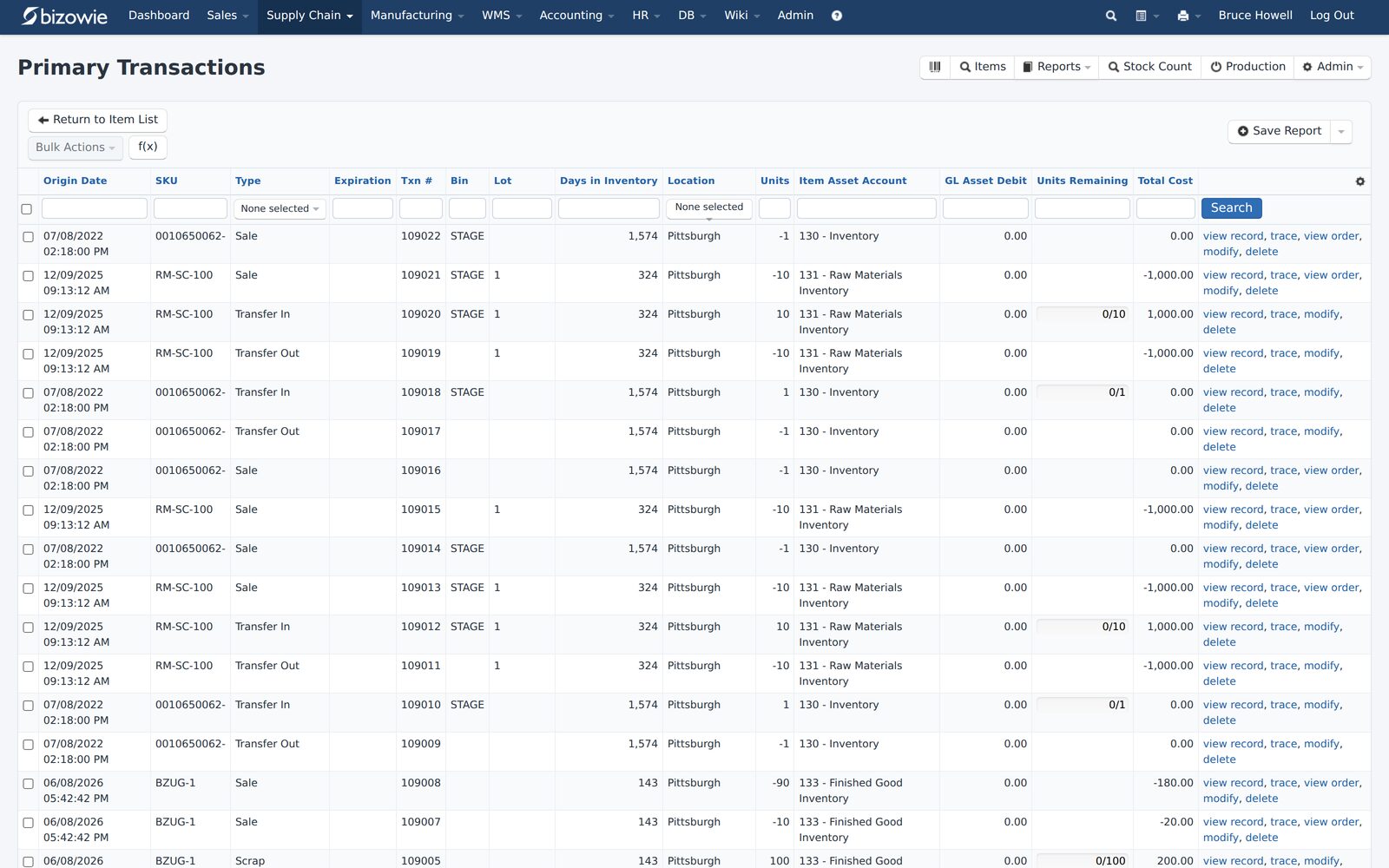
Every receipt, transfer, build, and quarantine move by SKU, lot, bin, and location.
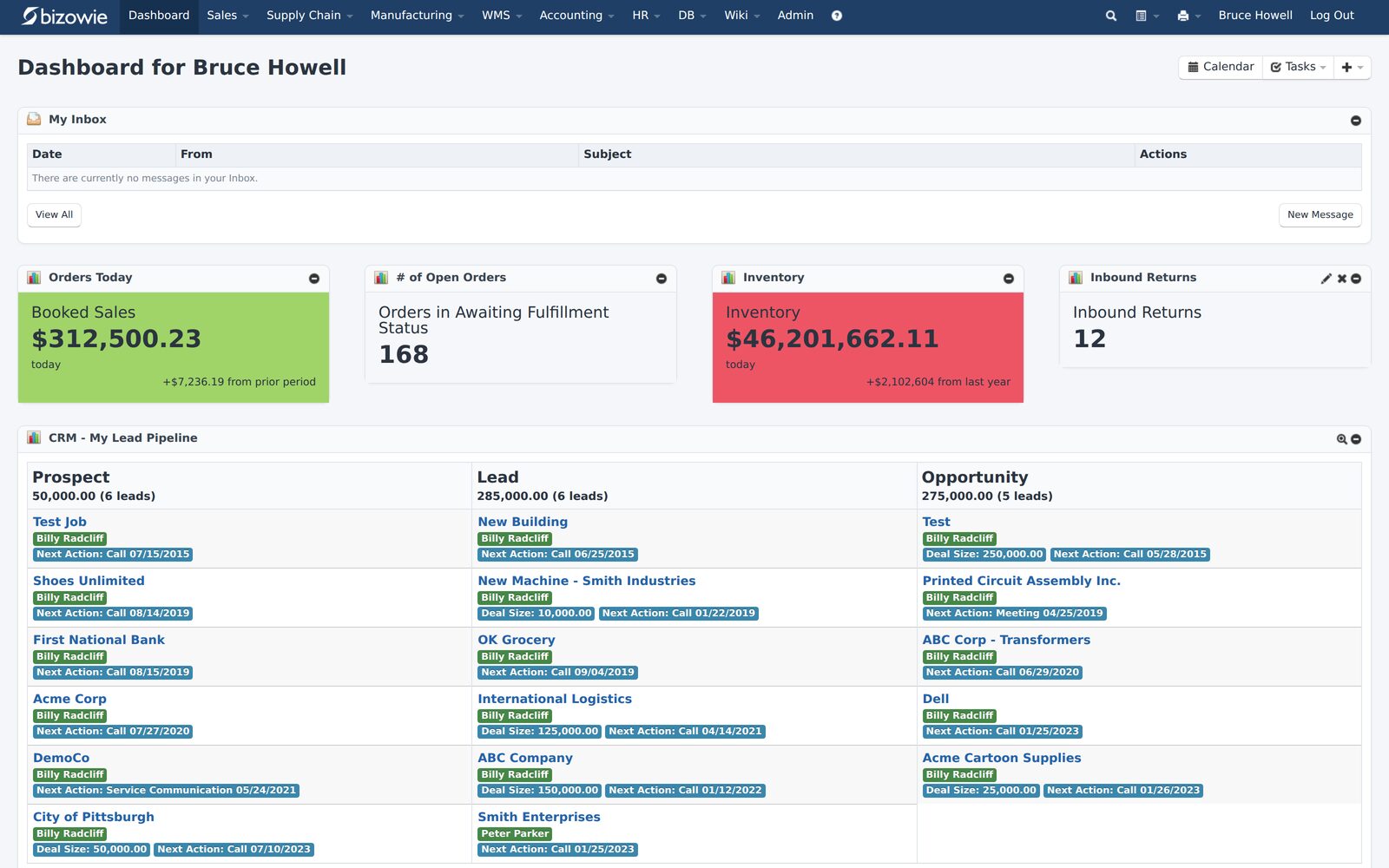
Bookings, open orders awaiting fulfillment, and inventory value at a glance.
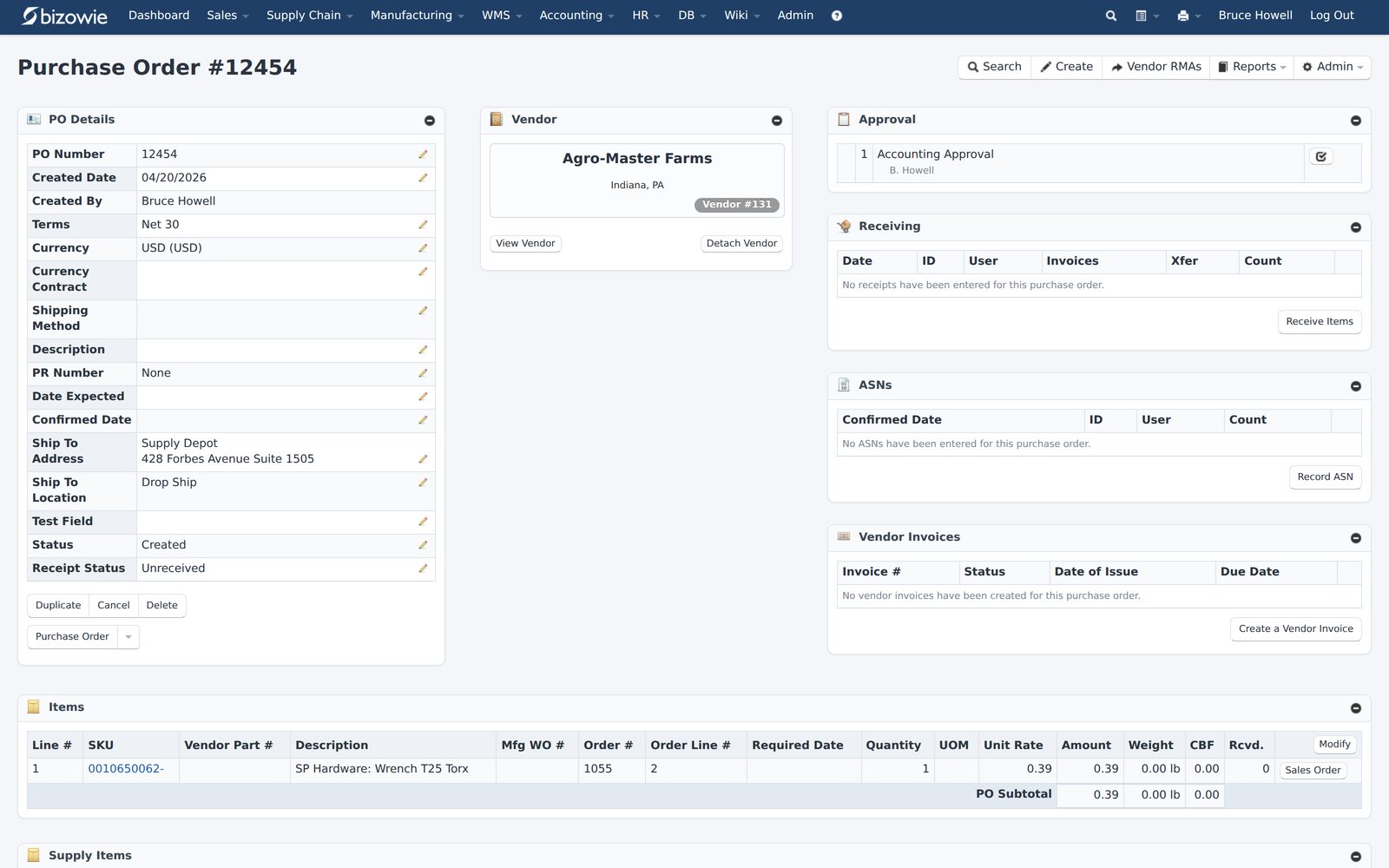
Purchase orders with approvals, receiving, ASNs, and vendor invoices on one screen.
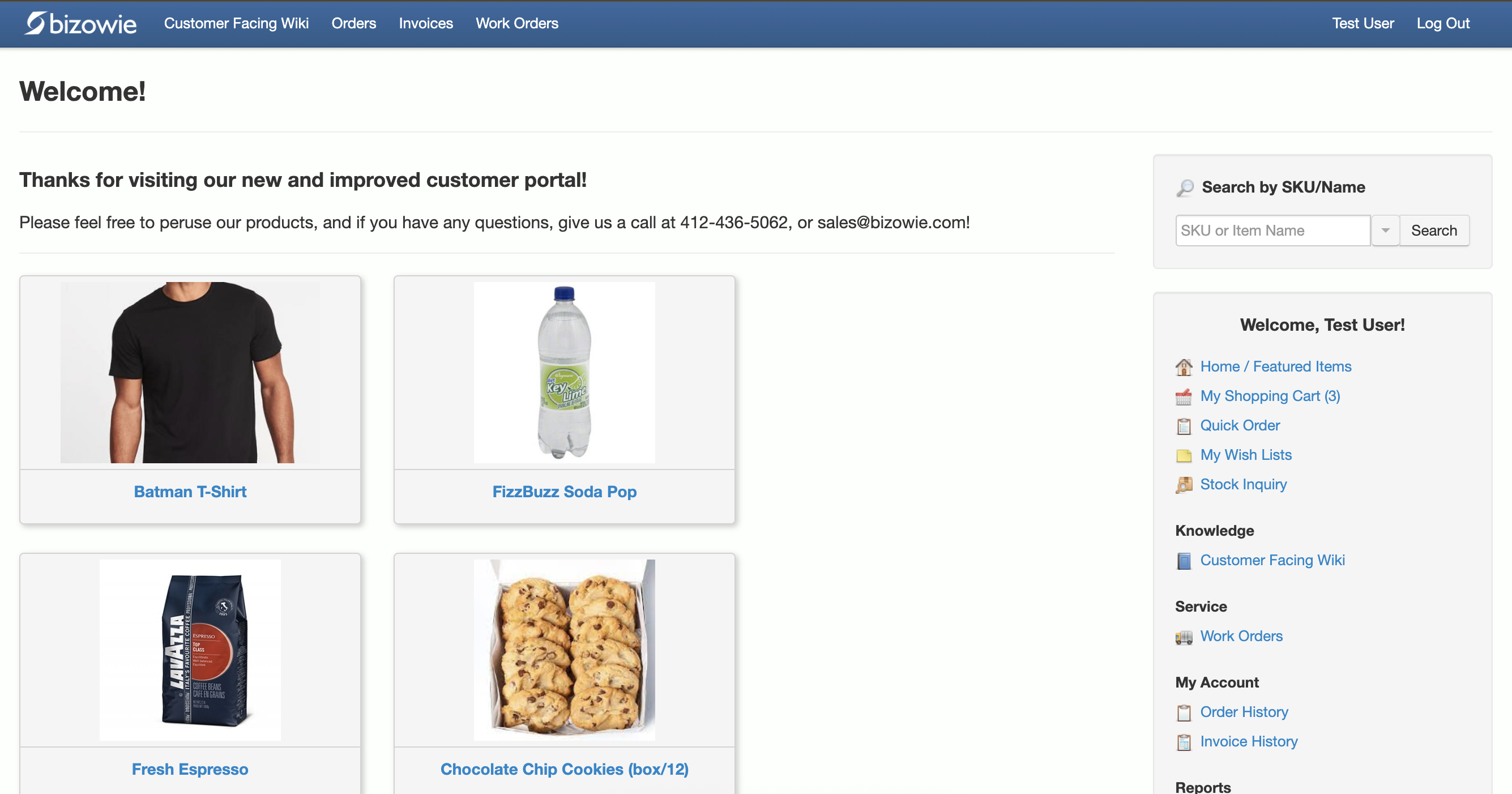
Customers search items, place orders, and check order and invoice history themselves.
Managing Slow and Dead Stock in Bizowie
Bizowie provides in-depth reporting on inventory demand and usage, with item- and location-level min/max quantities that can be user-defined or set by the system, so replenishment follows real demand. Rules can automate transfers between distribution centers to move stock where it sells, and expiration dates are tracked for lotted items. Inventory, purchasing, and financial records update together in real time, so inventory value on the balance sheet reflects what is actually on the shelf.
“We have seen immediate economic benefit for our business in terms of productivity from our warehouse staff, eliminated processing errors, and better stock control.”
Julius Hart — Managing Director, LensesOnline
Frequently Asked Questions
What is dead stock?
Inventory that has not sold or been used for a defined period, often 6 to 12 months, and is unlikely to sell at normal prices.
How do you calculate months of supply?
Divide the quantity on hand by average monthly usage. For example, 1,800 units on hand with average usage of 100 a month is 18 months of supply.
How do you account for obsolete inventory?
Typically through an obsolescence reserve that writes down inventory expected not to sell at cost, and a write-off when specific items are disposed of. Your accountant should set the policy.
How can you prevent dead stock?
Buy to current demand, question large discount buys, manage discontinued items, and review slow-moving stock regularly.
Bring Us Your Aging Report
Tell us what is sitting in your warehouse. We’ll show you how Bizowie would help you find it, move it, and stop creating more, and if we are not the right fit, we will tell you.
See how Bizowie would manage your slow-moving stock
Tell us a little about your operation and we’ll reply with an honest assessment of fit, not a sales pitch.
- A real person reviews your submission and replies within one business day.
- No automated email sequences.
- If we’re not the right fit, we’ll tell you.
Prefer to talk?
Call (888) 635-2517, Mon–Fri, 9 AM–5 PM Eastern