The Procure-to-Pay Process: Steps, Three-Way Match, and Controls
Procure-to-pay is everything that happens between “we need this” and “we paid for it.”
For distributors and manufacturers, it is one of the highest-volume processes in the business: hundreds or thousands of purchase orders, receipts, and vendor invoices every month. When it works, inventory arrives on time, invoices are paid correctly, and month-end liabilities are accurate. When it doesn’t, you pay for things you never received, pay the wrong price, miss early-payment discounts, and spend days chasing exceptions.
This guide explains each step of the procure-to-pay process, how three-way matching works, the accruals it creates, the controls that matter, and how to measure and improve it.
The Procure-to-Pay Process, Step by Step
- Identify the need: replenishment suggestions, production requirements, or a requisition from an employee. See reorder point and min-max.
- Approve: route requisitions and purchase orders for approval based on value, category, or budget.
- Issue the purchase order to the vendor, by email, portal, or EDI.
- Vendor confirms price, quantity, and delivery date.
- Advance ship notice: the vendor tells you what is coming and when.
- Receive: count and record what arrived against the purchase order, ideally by scanning.
- Inspect, if required, before releasing to stock.
- Receive the invoice and match it to the purchase order and receipt.
- Approve and pay on terms, taking early-payment discounts when they are worth it.
Two-Way, Three-Way, and Four-Way Matching
| Match type | Compares | Typical use |
|---|---|---|
| Two-way | Invoice to purchase order | Services and items not physically received |
| Three-way | Invoice to purchase order and receipt | Inventory and most physical goods |
| Four-way | Invoice to purchase order, receipt, and inspection | Items that must pass quality inspection before payment |
Three-way matching is the standard for inventory: you pay only for what you ordered, at the price you agreed, and only for what actually arrived.
Three-Way Match: A Worked Example
| Purchase order | Receipt | Invoice | |
|---|---|---|---|
| Quantity | 500 | 480 | 500 |
| Unit price | $12.00 | — | $12.40 |
| Extended | $6,000 | — | $6,200 |
Two exceptions appear:
- Quantity: invoiced for 500, received 480. You should pay for 480 until the other 20 arrive or are credited.
- Price: invoiced at $12.40 against an agreed $12.00. Unless the change was approved, the correct amount is 480 × $12.00 = $5,760, not $6,200.
Without the match, the business would have overpaid by $440 on one invoice.
Handling Exceptions
- Set tolerances: small differences, such as a few cents or a small percentage, can be approved automatically; larger ones go to a person.
- Route exceptions to whoever can resolve them: purchasing for price, receiving for quantity.
- Track exception causes by vendor. Repeat offenders need a conversation. Track them on a supplier scorecard.
- Do not let exceptions block everything: pay the matched portion when terms require it.
Received-Not-Invoiced Accruals
Goods often arrive before the invoice. At month-end, the value of receipts without invoices must be recorded as a liability so the balance sheet is correct. When receipts are recorded against purchase orders in the same system as AP, this accrual comes straight from a report. Inbound freight and duties that have not been billed yet need the same treatment. See the month-end close checklist and landed cost tracking.
Controls That Prevent Problems
- Segregation of duties: the person who creates a vendor or a purchase order should not also approve payment.
- Approval limits by value and category
- Vendor master controls: changes to bank details verified independently, to prevent payment fraud
- No purchase order, no payment for inventory and most goods
- A complete audit trail of every change. See why full audit logs are non-negotiable.
Procure-to-Pay Metrics
- Purchase order cycle time, from requisition to issue
- Supplier on-time and in-full delivery
- Percentage of invoices matched without exceptions
- Invoice processing time and cost
- Early-payment discounts taken versus available
- Spend without a purchase order
See Bizowie in Action
Real screens from Bizowie, not mockups. Click any screen to enlarge.
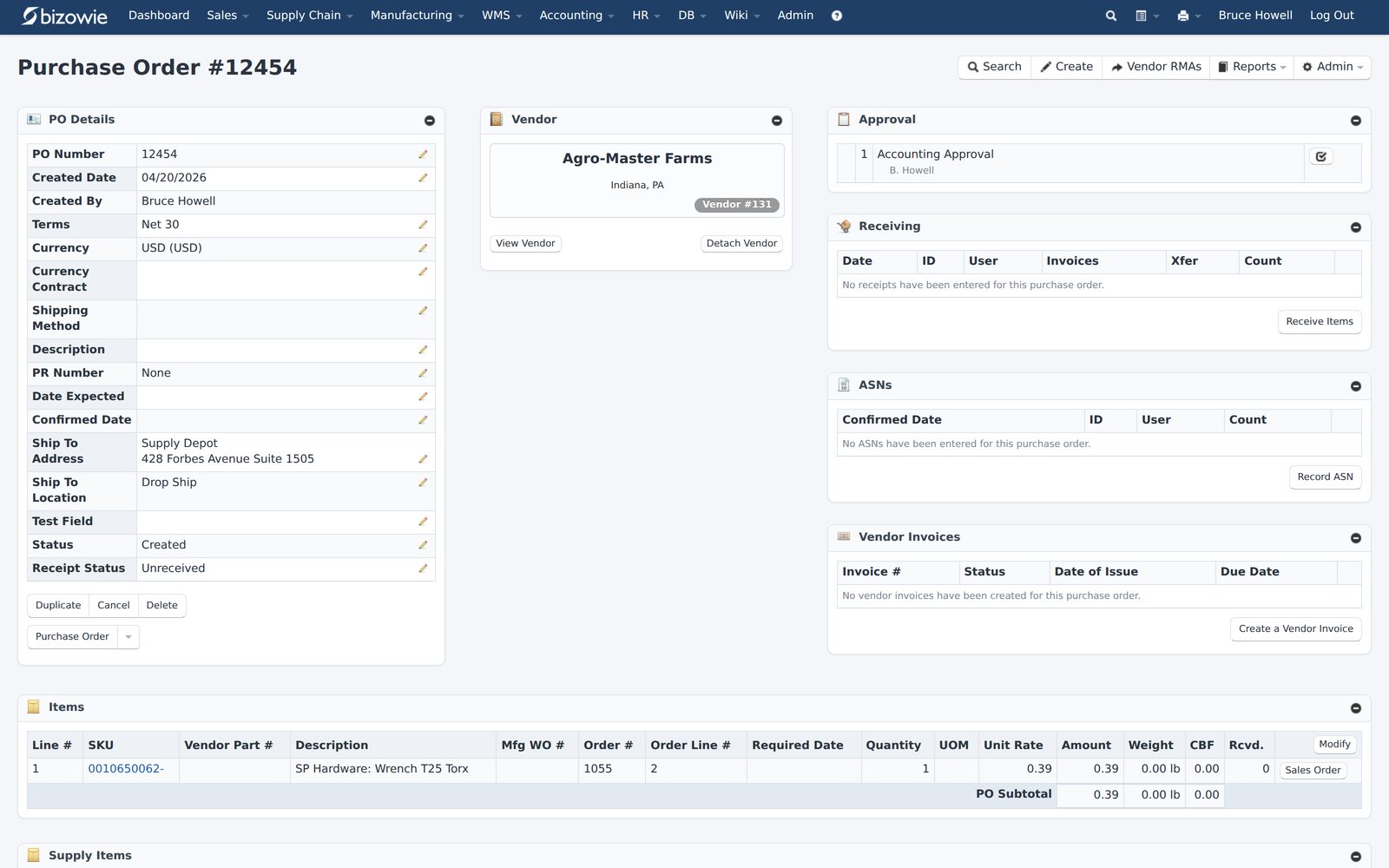
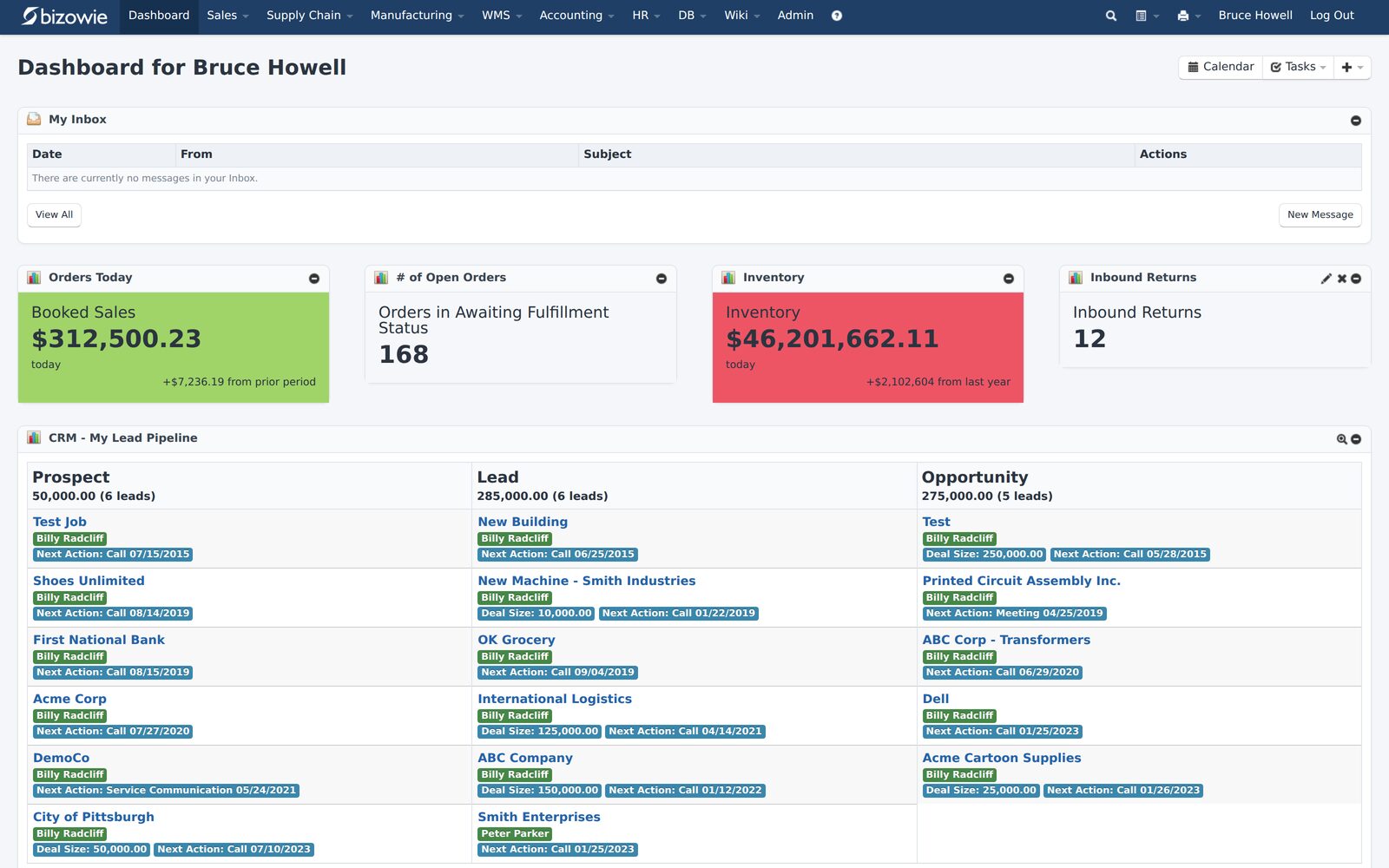
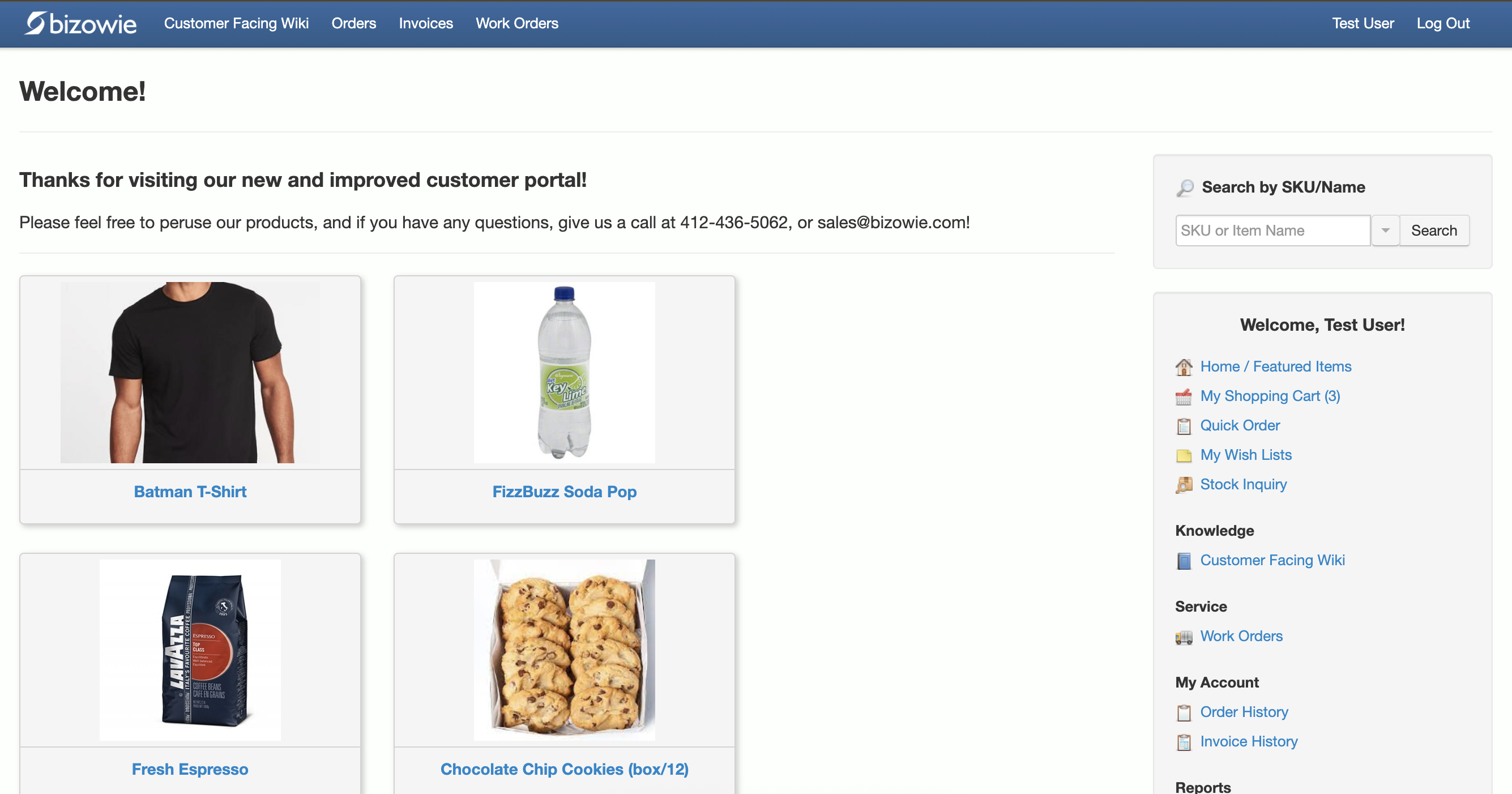
Purchase orders with approvals, receiving, ASNs, and vendor invoices on one screen.
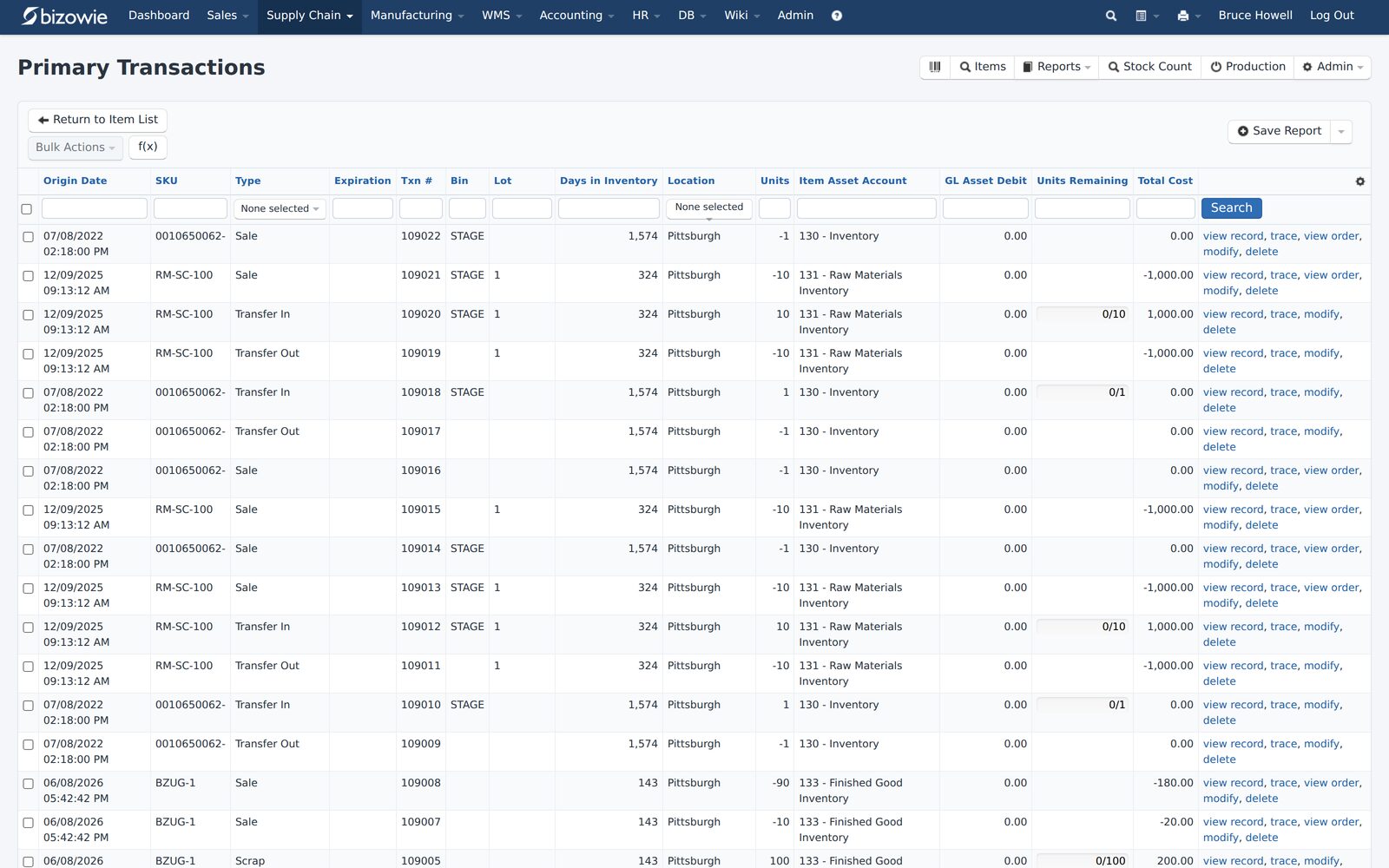
Every receipt, transfer, build, and quarantine move by SKU, lot, bin, and location.
Bookings, open orders awaiting fulfillment, and inventory value at a glance.
Customers search items, place orders, and check order and invoice history themselves.
Procure-to-Pay in Bizowie
Bizowie tracks purchasing activity end to end, from requisition to invoice. Requisitions can be accepted electronically and routed through multi-step approval workflows based on custom criteria, with automatic notifications to purchasing staff and approvers. Purchase orders are generated manually or automatically from demand, with full support for early receiving, ASNs, and multiple receipts. Three-way matching against invoices and receiving activity is built in, invoices can be generated directly from purchase orders, and supporting documents and bids can be attached. Role-based controls and an audit trail cover every transaction.
“What used to take us 30 to 45 minutes can now be done in 3 to 5 minutes.”
Bridget Gaussa — Director of Program Development, Cribs for Kids
Frequently Asked Questions
What is the procure-to-pay process?
The full process from identifying a need through requisition, approval, purchase order, receiving, invoice matching, and payment.
What is a three-way match?
Comparing a vendor invoice to the purchase order and the receiving record before payment, so you pay only for what you ordered, at the agreed price, and actually received.
What is the difference between procure-to-pay and purchase-to-pay?
The terms are generally used interchangeably. Both describe the process from requisition to vendor payment.
What is a received-not-invoiced accrual?
A month-end liability for goods received whose invoices have not yet arrived.
Bring Us Your Messiest Invoice
Tell us how purchasing and AP work today. We’ll show you how procure-to-pay would run in Bizowie, and if we are not the right fit, we will tell you.
See how Bizowie would run your procure-to-pay process
For manufacturers and distributors. Tell us a little about your operation and we’ll reply with an honest assessment of fit, not a sales pitch.
- A real person reviews your submission and replies within one business day.
- No automated email sequences.
- If we’re not the right fit, we’ll tell you.
Prefer to talk?
Call (888) 635-2517, Mon–Fri, 9 AM–5 PM Eastern