
Markup vs. Margin: Formulas, Conversion Table, and Calculator
Markup and margin use the same two numbers, cost and price, and describe them differently. Confusing them is one of the most common pricing mistakes in distribution.
A salesperson told to hold a 25% margin who adds 25% to cost has priced at a 20% margin. Across thousands of orders, that gap is real money.
This guide explains the difference between markup and margin, gives the formulas and a conversion table, shows how to set a price from a target margin, and includes a calculator.
Markup vs. Margin: The Difference
- Markup is profit as a percentage of cost.
- Margin (gross margin) is profit as a percentage of price.
An item that costs $75 and sells for $100 earns $25 of profit. That is a 33.3% markup ($25 ÷ $75) and a 25% margin ($25 ÷ $100). Same item, same profit, two different percentages.
Markup is always larger than margin for the same item, and margin can never reach 100%.
Formulas
- Margin = (Price − Cost) ÷ Price
- Markup = (Price − Cost) ÷ Cost
- Price from markup = Cost × (1 + Markup)
- Price from margin = Cost ÷ (1 − Margin)
- Convert margin to markup: Markup = Margin ÷ (1 − Margin)
- Convert markup to margin: Margin = Markup ÷ (1 + Markup)
Markup and Margin Calculator
Enter a cost and either a price or a target margin.
or
Conversion Table
| Margin | Equivalent markup |
|---|---|
| 10% | 11.1% |
| 15% | 17.6% |
| 20% | 25.0% |
| 25% | 33.3% |
| 30% | 42.9% |
| 35% | 53.8% |
| 40% | 66.7% |
| 50% | 100.0% |
Setting a Price From a Target Margin
An item costs $80 and the target margin is 25%.
- Correct: Price = $80 ÷ (1 − 0.25) = $106.67. Profit is $26.67, which is 25% of $106.67.
- Common mistake: adding 25% to cost gives $80 × 1.25 = $100. Profit is $20, which is only a 20% margin.
On $1 million of cost, that mistake leaves about $83,000 of intended gross profit on the table: $250,000 instead of $333,333.
Common Pricing Mistakes
- Using markup and margin interchangeably in policies, quotes, and commission plans
- Pricing from an old cost after supplier increases
- Using purchase price instead of landed cost
- Special pricing and rebates that nobody reviews against margin. See managing customer-specific pricing.
- Judging margin per item while ignoring cost to serve per customer. See customer profitability and cost to serve.
Which Cost to Use
Margin is only as accurate as the cost behind it. For distributors, that should be landed cost: purchase price plus inbound freight, duties, and other acquisition costs. Many companies also review margins against replacement cost when supplier prices are rising. See landed cost tracking and inventory costing methods.
See Bizowie in Action
Real screens from Bizowie, not mockups. Click any screen to enlarge.
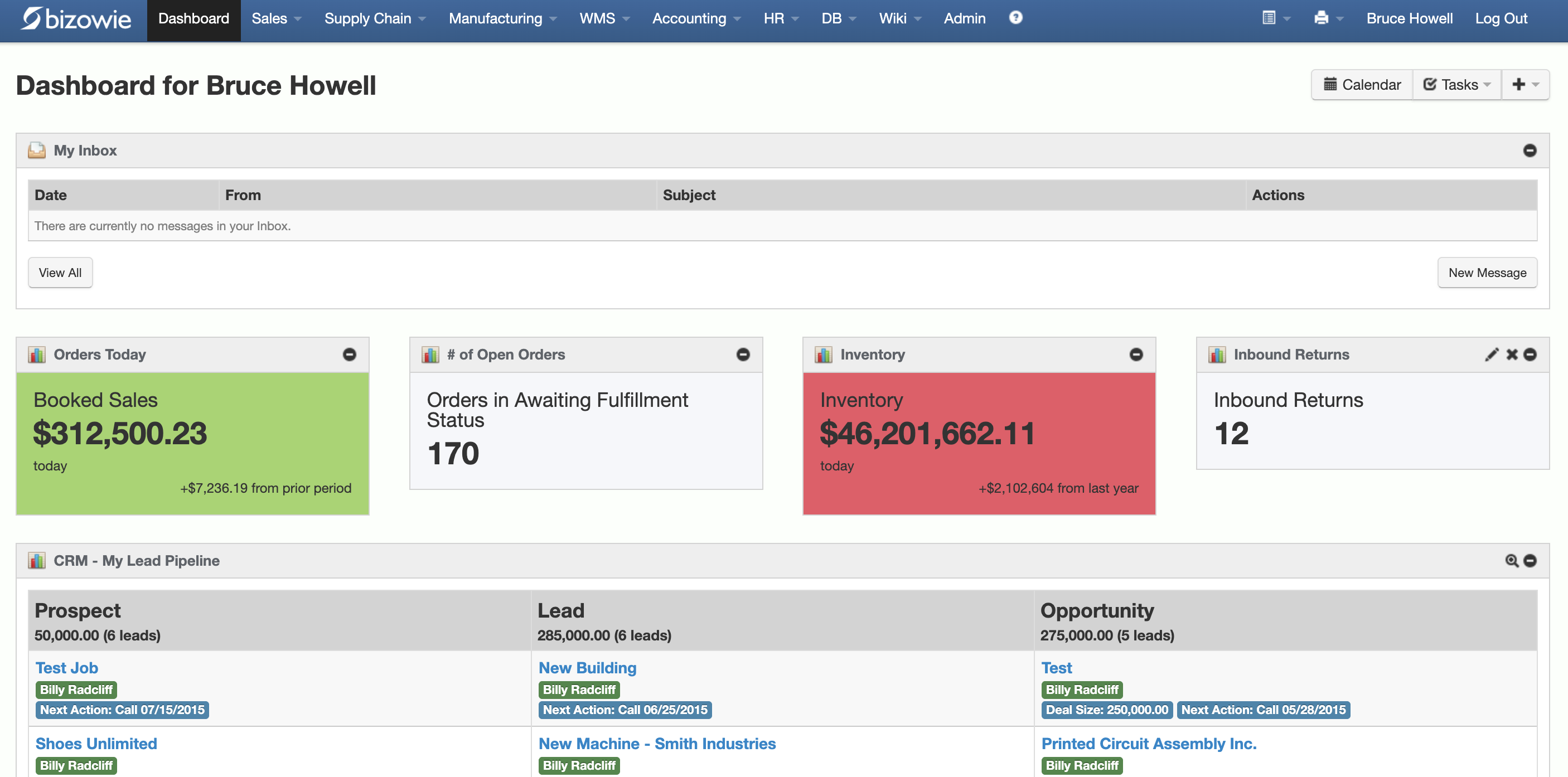
Live Dashboard
Bookings, open orders awaiting fulfillment, and inventory value at a glance.
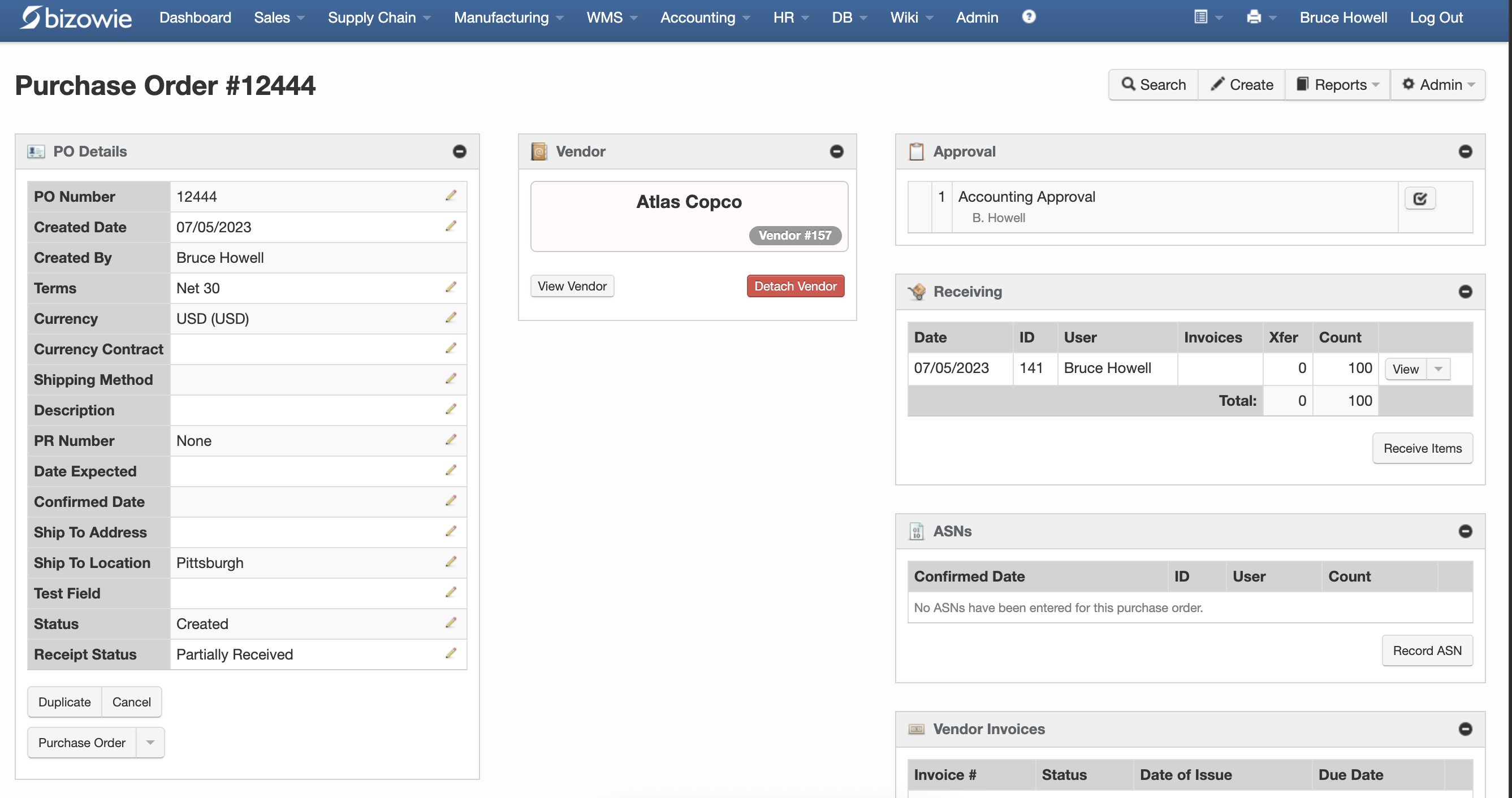
Purchasing & Receiving
Purchase orders with approvals, receiving, ASNs, and vendor invoices on one screen.
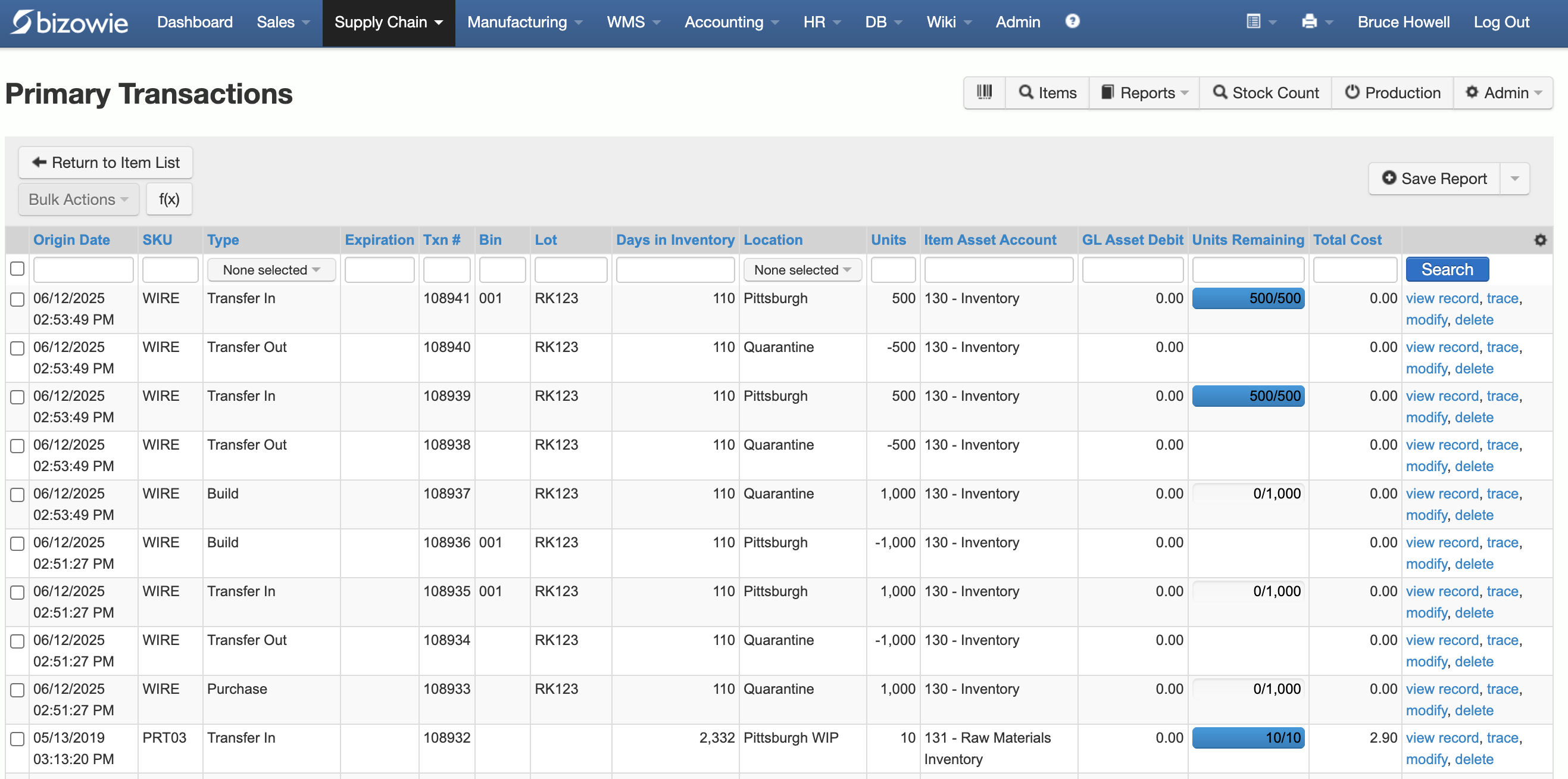
Inventory Transactions
Every receipt, transfer, build, and quarantine move by SKU, lot, bin, and location.
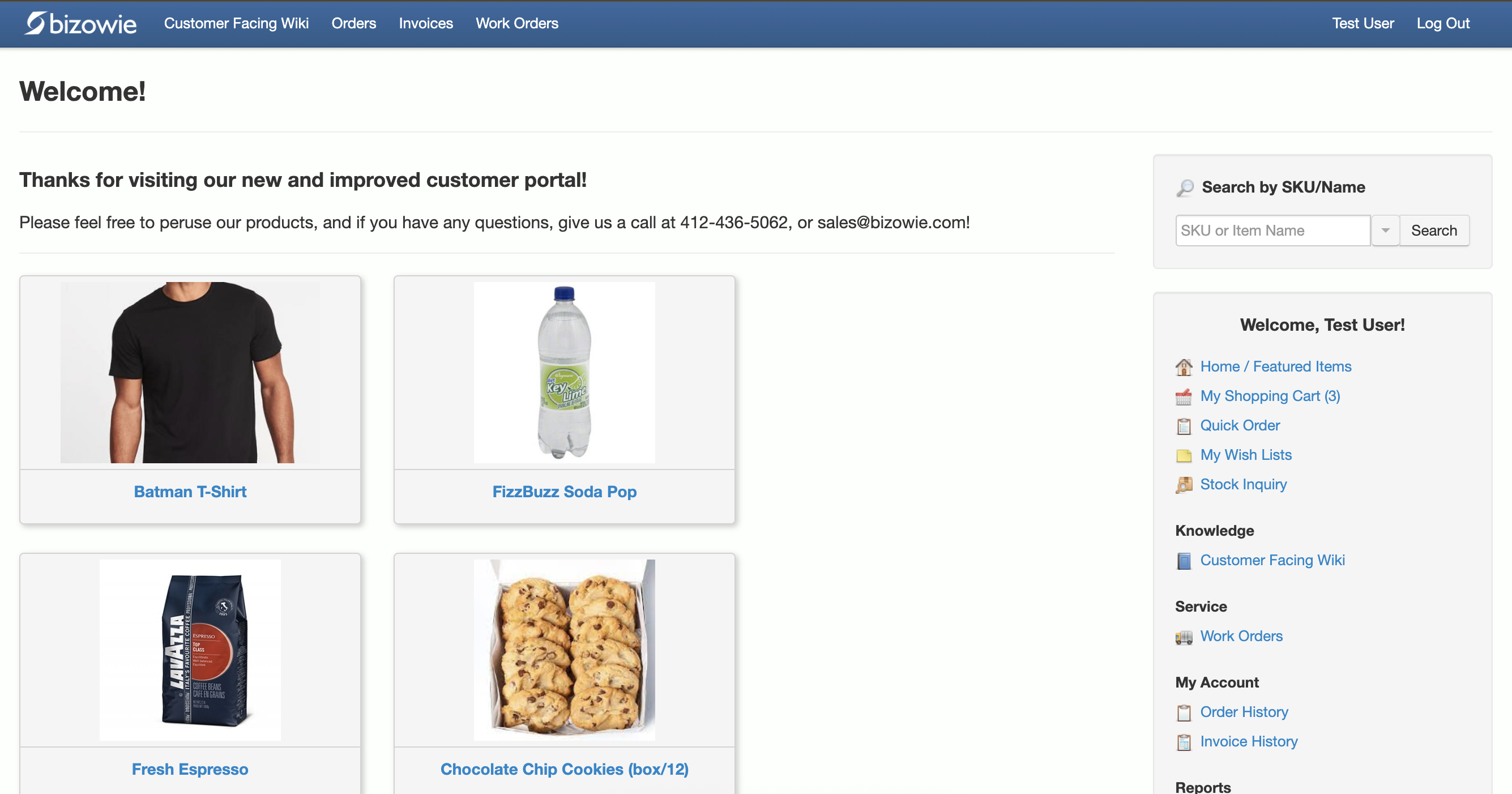
B2B Customer Portal
Customers search items, place orders, and check order and invoice history themselves.
Pricing and Margin in Bizowie
Bizowie’s pricing engine supports customer-specific, volume-tiered, and contract-based pricing, and tracks direct, indirect, and landed costs, so margins reflect the true cost after shipping and commissions. Standard and custom markups can be applied in estimates, and profitability can be reviewed by product, product line, customer, and sales rep.
“We have seen immediate economic benefit for our business in terms of productivity from our warehouse staff, eliminated processing errors, and better stock control.”
Julius Hart — Managing Director, LensesOnline
Frequently Asked Questions
What is the difference between markup and margin?
Markup is profit divided by cost; margin is profit divided by price. A $75 item sold for $100 has a 33.3% markup and a 25% margin.
How do you convert margin to markup?
Markup = Margin ÷ (1 − Margin). A 25% margin equals a 33.3% markup.
How do you price for a target margin?
Divide cost by one minus the target margin. For a 25% margin on an $80 cost, price = $80 ÷ 0.75 = $106.67.
Is a 50% markup the same as a 50% margin?
No. A 50% markup is about a 33.3% margin. A 50% margin requires a 100% markup.
Check Your Margins With Us
Tell us how you price today. We’ll show you how pricing and margin would work in Bizowie, and if we are not the right fit, we will tell you.
See how Bizowie would manage your pricing and margins
Tell us a little about your operation and we’ll reply with an honest assessment of fit, not a sales pitch.
- A real person reviews your submission and replies within one business day.
- No automated email sequences.
- If we’re not the right fit, we’ll tell you.
Prefer to talk?
Call (888) 635-2517, Mon–Fri, 9 AM–5 PM Eastern